
Blog Article
Endurance Training Through Your Menstrual Cycle
Tips for Female Athletes
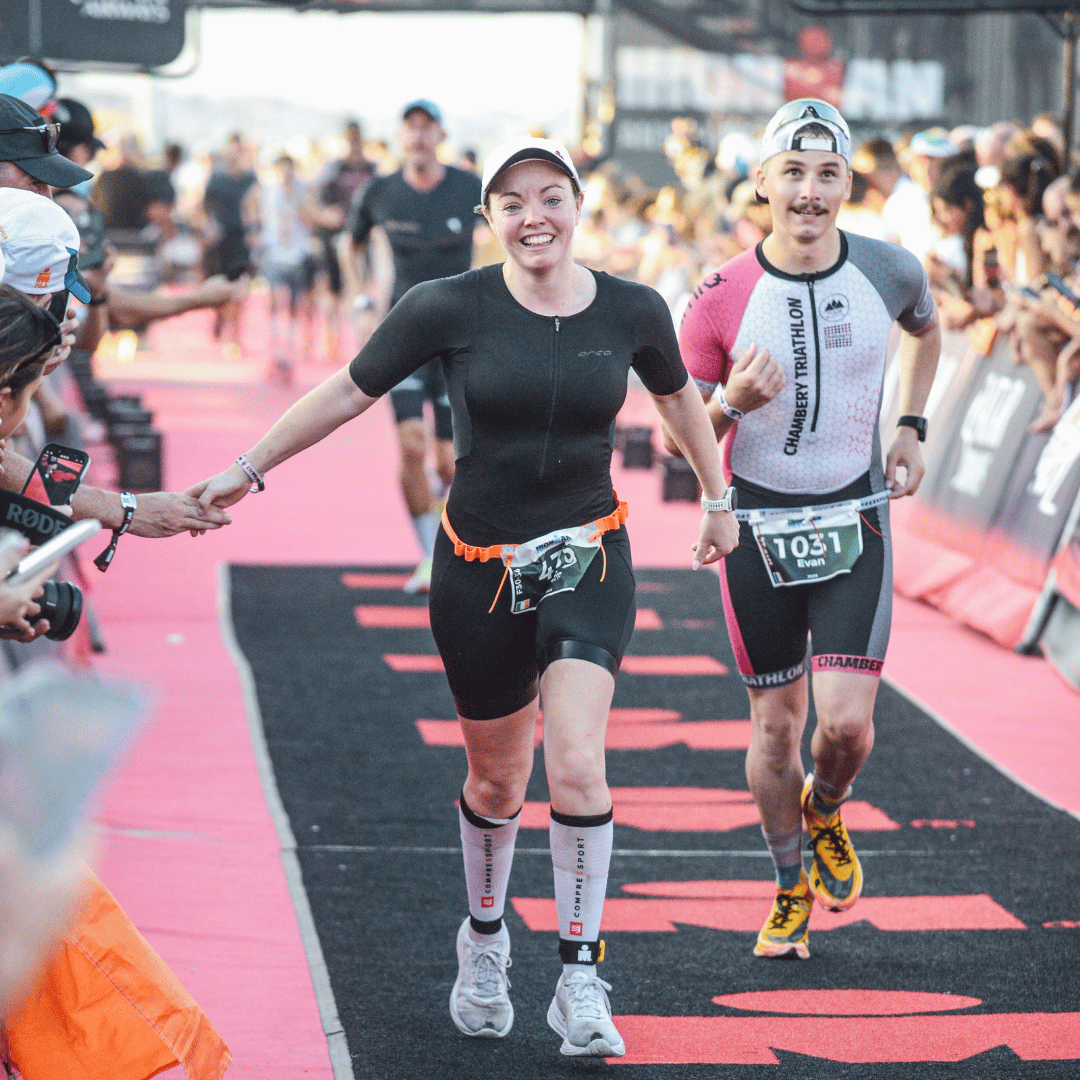
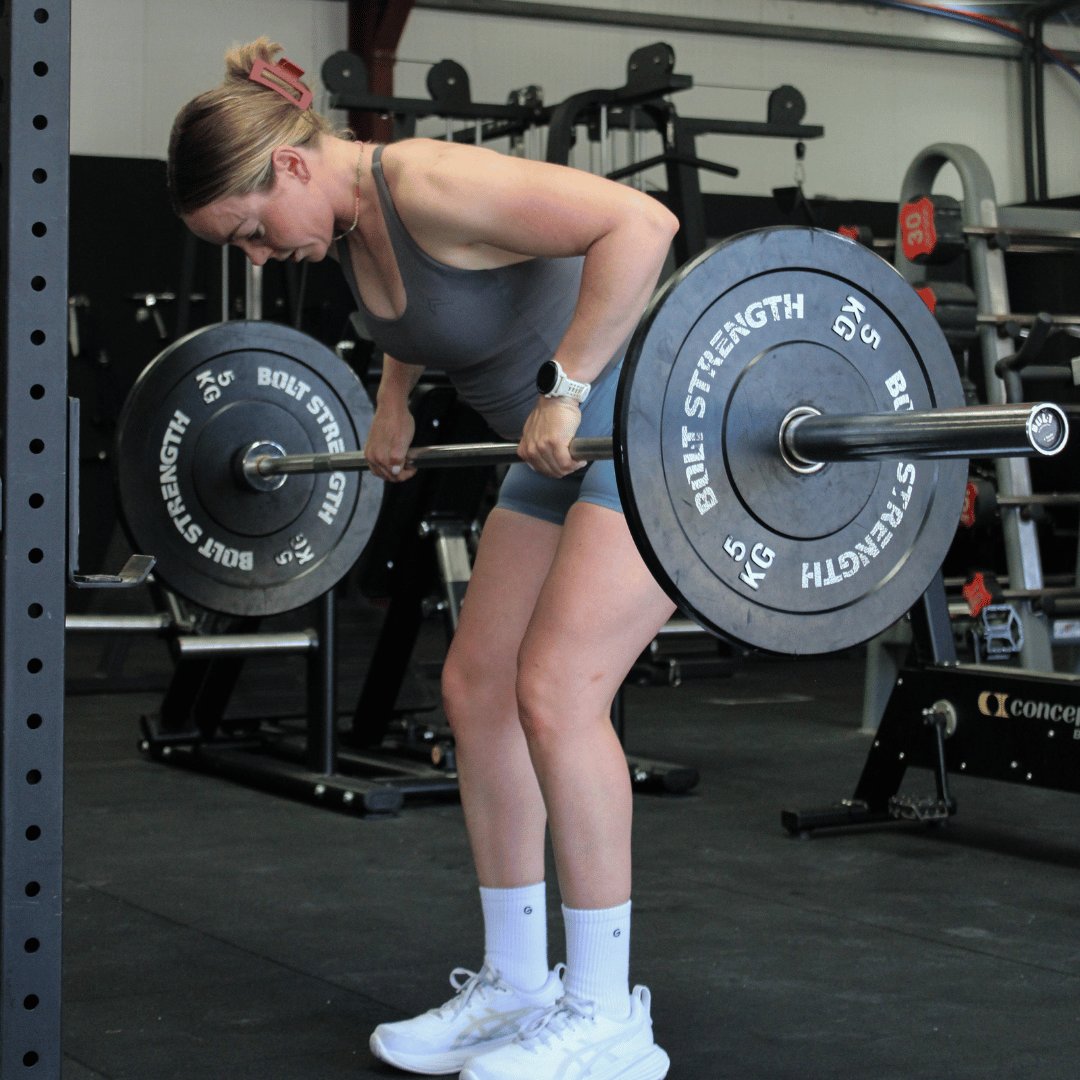
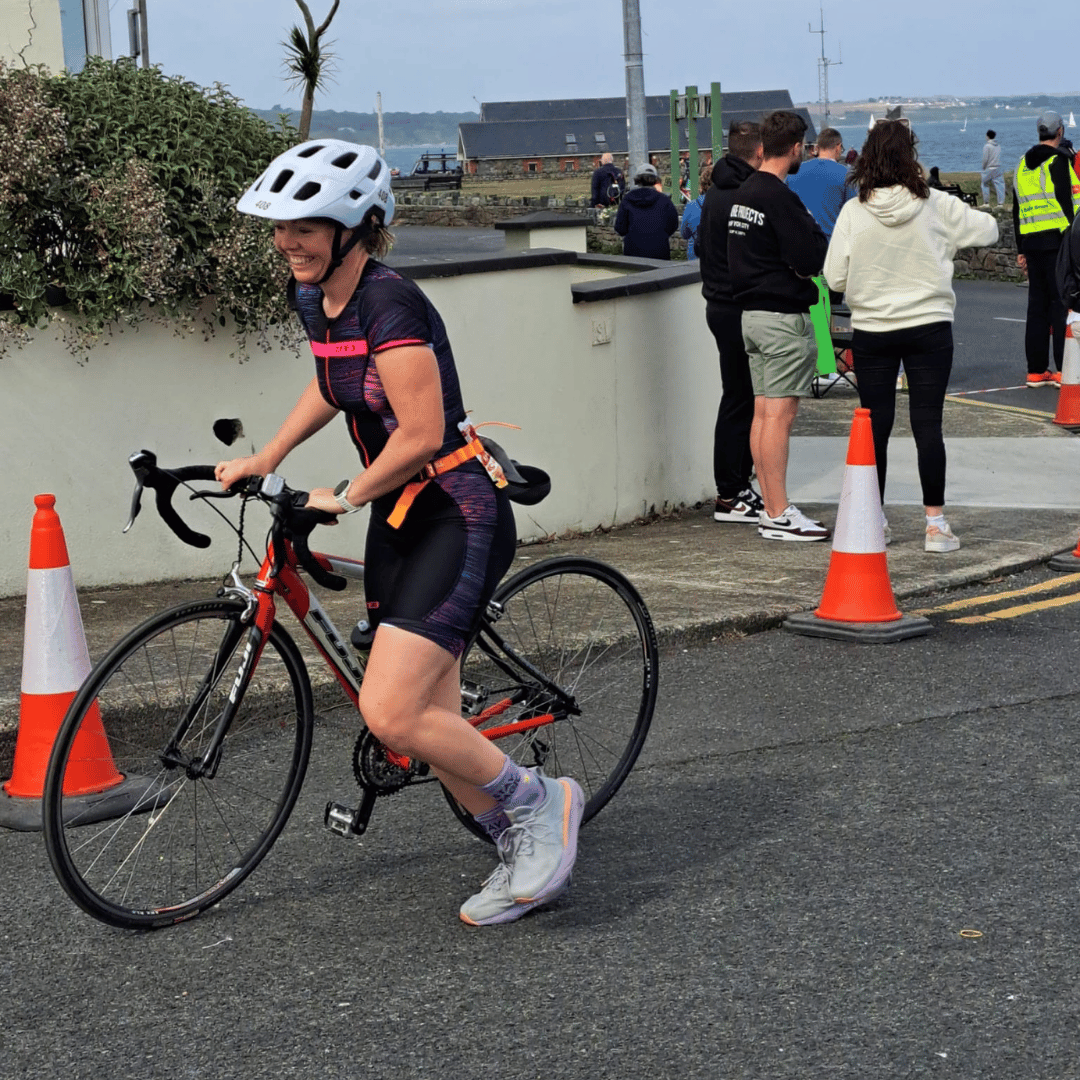
If you’re training for your first marathon, triathlon, Ironman, or endurance swim, you’ve probably already noticed that not every training week feels the same. Some days you’re flying. Other days, the tank feels empty before you even start. One major reason? Your menstrual cycle.
Instead of fighting against it, learning how to work with your cycle can help you train smarter, recover better, and show up with more confidence on race day.
Why Your Cycle Matters in Training
Hormones like estrogen and progesterone fluctuate across the month. They don’t just affect mood — they also influence energy levels, strength, hydration, and even how you burn fuel during exercise. By tuning into these shifts, you can adjust your training to play to your strengths rather than pushing through the lows.
The Four Phases & How They Affect Training
Hormones like estrogen and progesterone fluctuate across the month. They don’t just affect mood — they also influence energy levels, strength, hydration, and even how you burn fuel during exercise. By tuning into these shifts, you can adjust your training to play to your strengths rather than pushing through the lows.
1. Menstrual Phase (Days 1–5)
What’s happening: Low hormones, energy often dips.
How you might feel: Tired, crampy, low motivation.
Training tips:
Lower-intensity sessions are perfectly fine here. Think: easy runs, technique swims, yoga, mobility.
If cramps are rough, swap a hard session for a recovery workout — it won’t derail your progress.
Iron-rich foods (leafy greens, lentils, red meat) help replace what’s lost.
2. Follicular Phase (Days 6–14, leading to ovulation)
What’s happening: Estrogen rises → higher energy, strength, and recovery capacity.
How you might feel: Strong, motivated, “bring it on” vibes.
Training tips:
This is your power window. Schedule your heaviest strength sessions and harder endurance efforts here.
You’ll likely recover faster, so you can push intensity in intervals, hill runs, or big bike rides.
Carbs are your friend — your body uses them efficiently during this phase.
3. Ovulation (Around Day 14)
What’s happening: Peak estrogen and testosterone.
How you might feel: Energetic, powerful — but sometimes a little edgy or bloated.
Training tips:
Great time for time trials, strength PBs, or challenging brick sessions.
Stay mindful of form — ligament laxity can slightly increase injury risk. Proper warm-up matters.
4. Luteal Phase (Days 15–28, after ovulation)
What’s happening: Progesterone rises. Body temp increases. Energy and endurance can feel harder to sustain. PMS may kick in toward the end.
How you might feel: Heavy legs, more cravings, mood swings, sleep disrupted.
Training tips:
Scale intensity toward moderate, steady sessions. Long, easy endurance is ideal here.
Pay attention to hydration — you may sweat more and need extra electrolytes.
Lean into recovery tools: foam rolling, mobility, breathwork.
Prioritize sleep where you can — recovery takes longer in this phase.
Practical Tips for Everyday Female Athletes
Track your cycle: Apps like FitrWoman or simple journal notes help you notice patterns.
Plan, but stay flexible: Use the high-energy follicular phase for key sessions, but give yourself permission to adjust when needed.
Fuel smart: Complex carbs and protein support energy throughout. In the luteal phase, extra magnesium and B-vitamins can help with mood and cramps.
Self-compassion counts: One “off” week doesn’t mean you’re failing. It’s your physiology. Training through your cycle is about working with your body, not against it.
The Takeaway
Your menstrual cycle isn’t an obstacle to endurance training — it’s a tool. By understanding your body’s natural rhythms, you can train more effectively, recover smarter, and feel more empowered in the process.
Because at the end of the day, peak performance isn’t about ignoring your body. It’s about listening to it, and finding your own version of Peak Contentment — both in training and in life.
Latest Posts
Working with clients online in Ireland & internationally

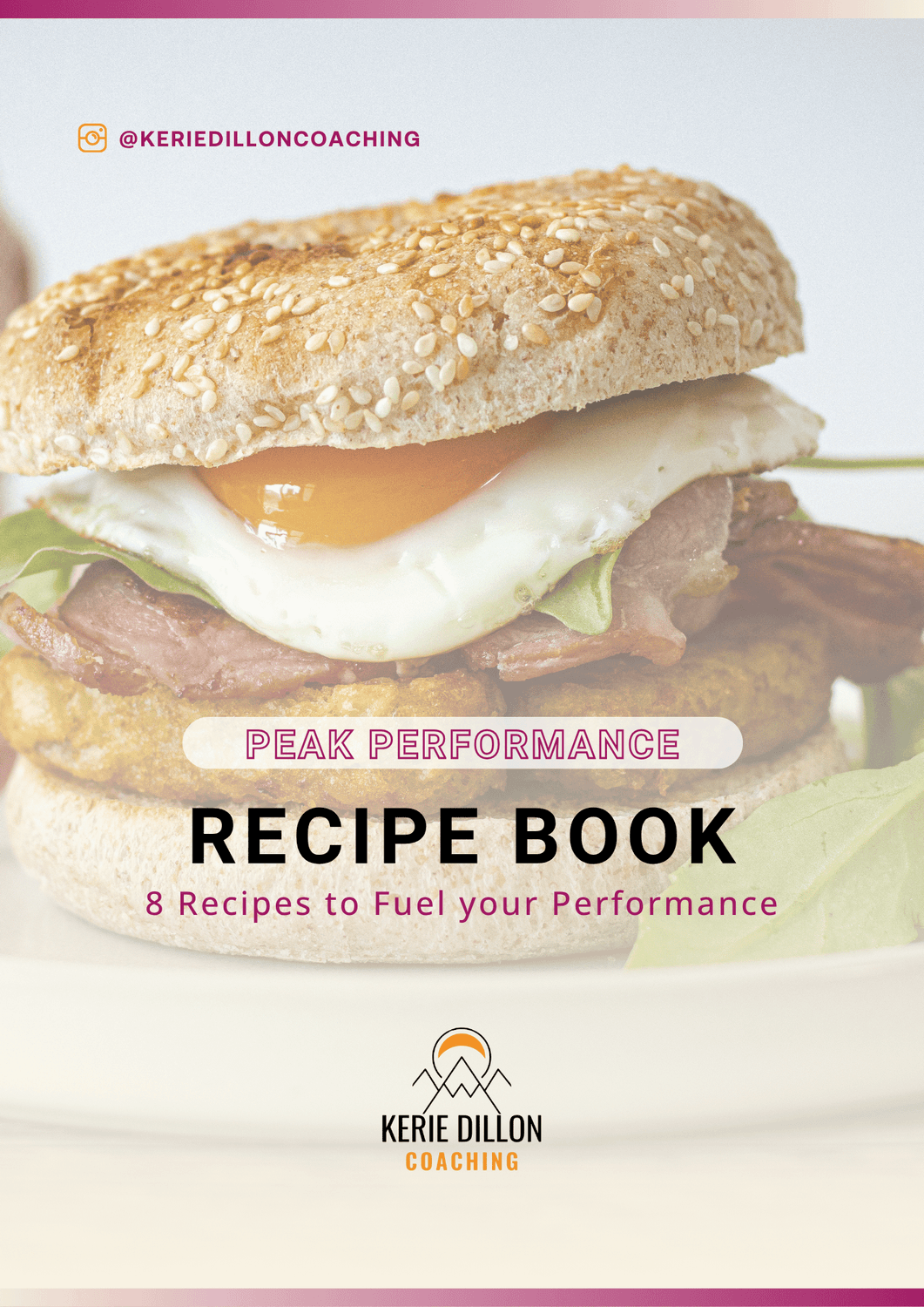
Free Athlete Fueling Recipe Book
Working with clients online in Ireland & internationally